2nd R. S. Blay Memorial Lecture: Prof Mike Oquaye calls for reforms of Land Commission
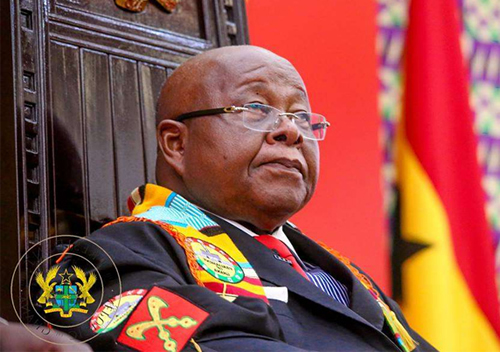
Former Speaker of Parliament, Prof Mike Oquaye has called for a reform in the country’s land governance.
The proposed reforms for the Lan
2nd R. S. Blay Memorial Lecture: Prof Mike Oquaye
Former Speaker of Parliament, Prof Mike Oquaye has called for a reform in the country’s land governance.
The proposed reforms for the Land Commission presented by Prof Oquaye shed light on the need to depoliticise land allocation and enhance the independence and effectiveness of the Commission.
These reforms aim to ensure transparent and equitable management of public lands for the benefit of all Ghanaians.
He was speaking at the second R. S. Blay Memorial Lecture on consolidating democracy and the rule of law in contemporary Ghana.
Depoliticising Land Allocation:
One of the key concerns raised by Prof Oquaye is the need to revise the membership and functions of the Lands Commission to make it more independent.
Currently, Article 257 (1) states that all public lands in Ghana shall be vested in the President.Former Speaker of Parliament, Prof Mike Oquaye has called for a reform in the country’s land governance.
The proposed reforms for the Land Commission presented by Prof Oquaye shed light on the need to depoliticise land allocation and enhance the independence and effectiveness of the Commission.
These reforms aim to ensure transparent and equitable management of public lands for the benefit of all Ghanaians.
He was speaking at the second R. S. Blay Memorial Lecture on consolidating democracy and the rule of law in contemporary Ghana.
Depoliticising Land Allocation:
One of the key concerns raised by Prof Oquaye is the need to revise the membership and functions of the Lands Commission to make it more independent.
Currently, Article 257 (1) states that all public lands in Ghana shall be vested in the President.However, there is a growing consensus that public lands should be managed on behalf of the people of Ghana rather than solely on behalf of the President.
This change would reduce political interference and promote fair and accountable land governance.
Enhancing the Commission’s Independence:
To strengthen the Land Commission’s independence, it is crucial to revisit its membership structure.
Prof Oquaye suggests that institutional representation should be introduced, limiting the President’s authority to choose advisors.
By including experts from various fields such as economists, researchers, planners, and environmentalists, the Commission can benefit from diverse perspectives and ensure technocratic decision-making.
Moreover, expanding the Commission’s size can accommodate a broader range of institutional representation and reduce the concentration of power.
---DECRYPTED---