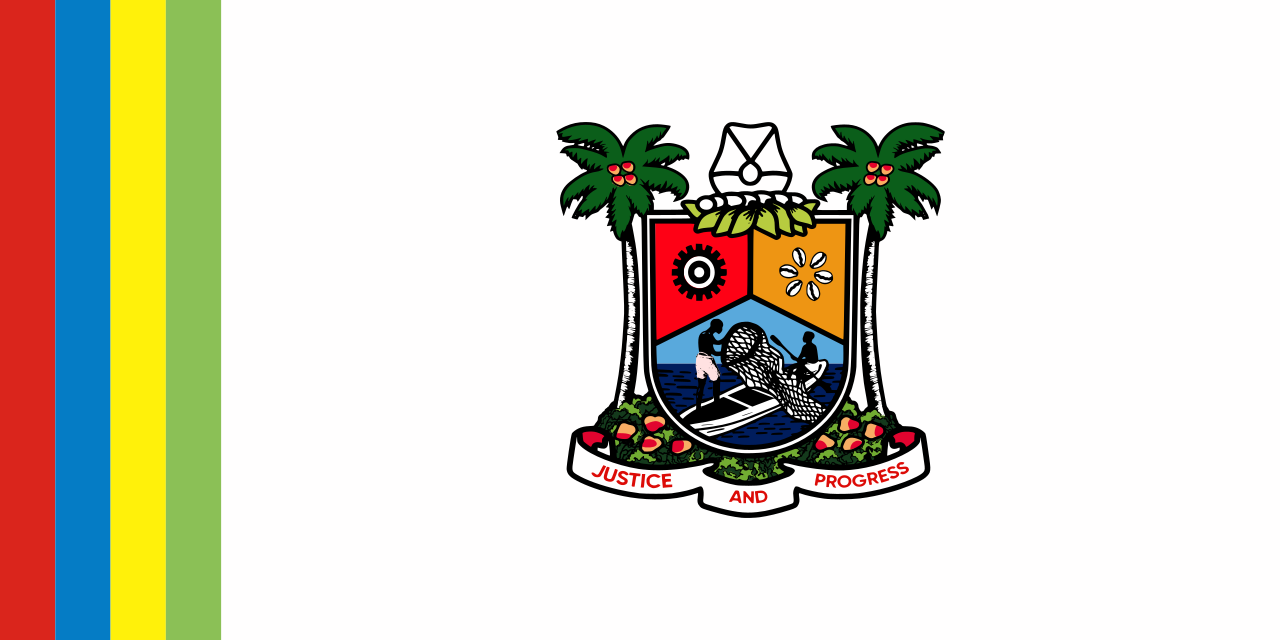
Lagos State: Nigeria's smallest state by area, and one of its most crowded
Premium Times Nigeria reported this week that President Bola Tinubu has pledged to strengthen Nigeria's biosafety rules and invest in home-g
Lagos State: Nigeria's smallest state by area
Premium Times Nigeria reported this week that President Bola Tinubu has pledged to strengthen Nigeria's biosafety rules and invest in home-grown biotechnology research. That puts a spotlight on Lagos State, the southwestern Nigerian state that is, depending on the source, either the first or second most populous of the country's 36 states, despite covering the least land of any of them.
The state takes its name from the city of Lagos, the most populous city in Africa. It was created on 27 May 1967 from parts of the Western Region and the former Federal Capital Territory. The Bight of Benin lies to its south and the Republic of Benin to its west. Ogun State wraps around its northern and eastern sides, which makes Lagos the only Nigerian state that shares a border with just one other state.
Water shapes much of the territory. Lagoons, creeks and rivers account for close to a quarter of its area, with the Lagos and Lekki lagoons the biggest, fed by the Ogun and Osun rivers. These waterways remain important routes for moving people and goods. Beyond the urban sprawl, lowland forest still shelters threatened species such as the mona monkey, tree pangolin and hooded vulture, while forest elephants pass through. Offshore waters hold rich fish stocks as well as manatees and crocodiles.
The Yoruba are the main indigenous people, found across the state, with Ewe and Ogu communities in the far west. Migration since the nineteenth century has brought in Igbo, Hausa, Edo, Ijaw, Efik, Fulani and many other Nigerian groups. Descendants of formerly enslaved people who returned from Sierra Leone and Brazil, a long-established Syrian and Lebanese community, and newer arrivals from countries including Ghana, China and India add to the mix. Christianity, Islam and traditional faiths all have significant followings.
Before colonial rule, the area was mostly fishing villages and ports, at times under the control of powers such as the Benin and Oyo empires until the early 1800s.
RelatedTinubu pledges stronger biosafety rules and investment in local biotechnology
Source: Premium Times Nigeria
Background: Wikipedia: Lagos State
Photo: Wikimedia Commons