North East Region: Ghana's young northern region and how it came to be
The North East Region is back in view after Ghana news site GhanaWeb reported a Ghana Statistical Service survey estimating that about 2.69
North East Region: Ghana's young northern reg
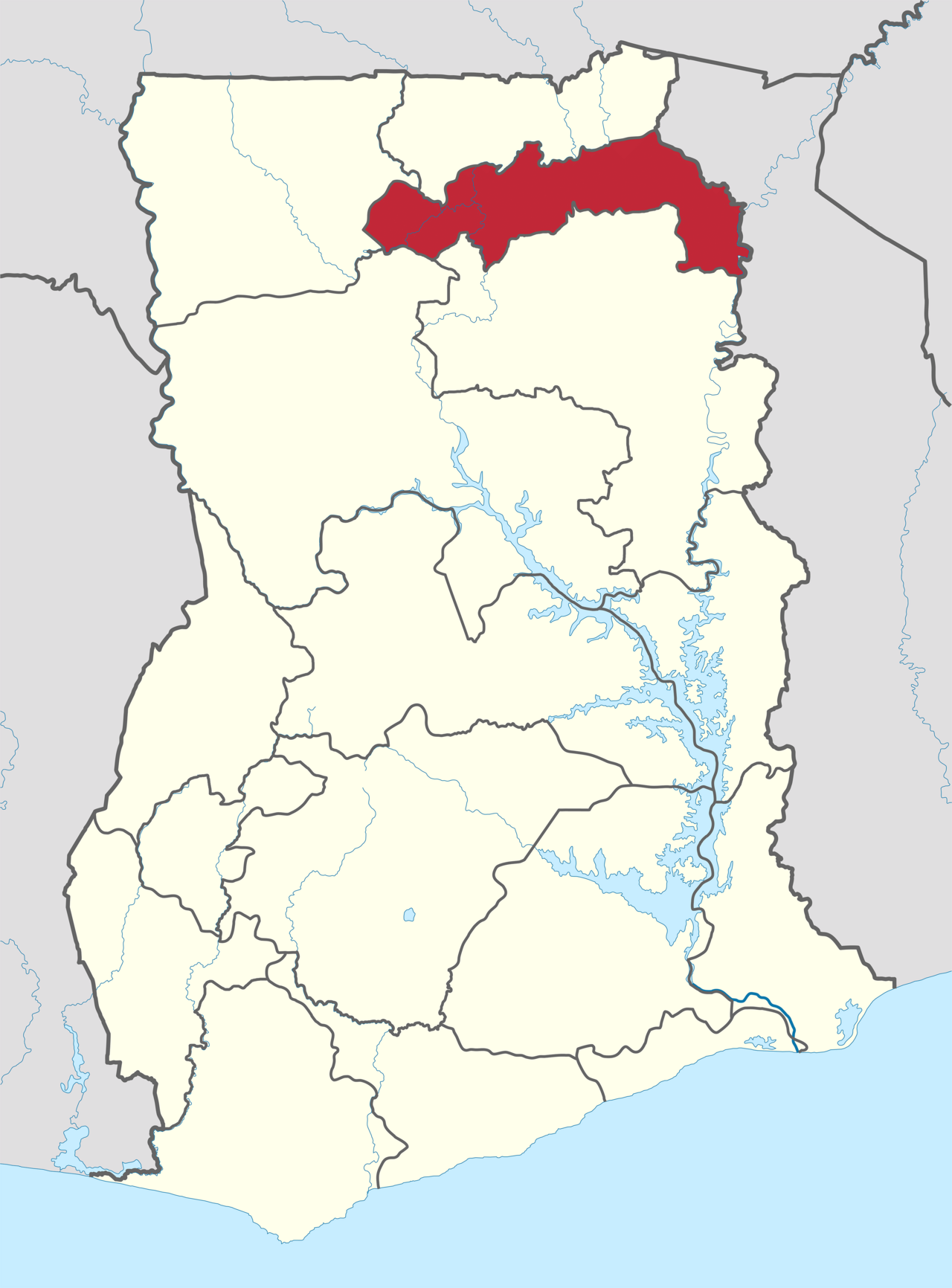
The North East Region is back in view after Ghana news site GhanaWeb reported a Ghana Statistical Service survey estimating that about 2.69 million Ghanaians lived in food-insecure households in the third quarter of 2026. The region is one of the sixteen that now make up Ghana, and it sits in the far north of the country with its capital at Nalerigu, a town in the East Mamprusi Municipal Assembly.
The region is a recent creation. It was carved out of the old Northern Region after the New Patriotic Party pledged, ahead of the 2016 general election, to reorganise the country's regional map. Once in office, President Nana Akufo-Addo set up a Ministry of Regional Reorganization to drive the policy, which aimed to produce six new regions from the existing ten. Alongside the North East, the others were Western North, Bono, Bono East, Ahafo, Savannah and Oti.
The decisive step came in a referendum on 27 December 2018. Turnout in the proposed area reached 81 per cent, and 99.8 per cent of those voting backed the new region. Solomon Namliit Boar, the MP for Bunkpurugu and a former Deputy Northern Regional Minister, became its first Regional Minister.
Today the region is divided into six districts. It shares a border with the Upper East Region to the north, the Northern Region to the south and Togo to the east. Traditional authority rests with the Nayiri, overlord of the Mamprugu traditional area, which takes in the whole region, and he is advised by a council of elders.
The climate is markedly drier than in Ghana's south, shaped by the nearness of the Sahel and the Sahara. Savanna grassland dominates, dotted with hardy trees such as baobab and acacia. Rain falls mainly from about June to November, averaging 750 to 1050 mm a year, while the dry season runs from December to April. The Harmattan often blows from December into early February, and temperatures can swing from 17 °C at night to 47 °C by day.
RelatedGSS survey puts number of food-insecure Ghanaians at 2.69 million in Q3 2026
Source: Ghana news - Top local news headlines and ghana web news in
Background: Wikipedia: North East Region, Ghana
Photo: Wikimedia Commons