Upper East Region: Ghana's small, climate-exposed north-eastern corner
The Upper East Region is in focus after a GhanaWeb report on Ghana Statistical Service survey figures showing that about 2.69 million Ghanai
Upper East Region: Ghana's small, climate-exp
The Upper East Region is in focus after a GhanaWeb report on Ghana Statistical Service survey figures showing that about 2.69 million Ghanaians lived in food-insecure households in the third quarter of 2026.
The region sits in Ghana's far north-east, with Burkina Faso on its northern border and Togo to the east. The Upper West Region lies to its west and the Northern Region to its south. At 8,842 square kilometres, it covers only about 2.7 per cent of the country's land, making it the third smallest of Ghana's 16 administrative regions. It is split into 15 districts, and a district chief executive leads each one.
Bolgatanga, often shortened to Bolga, is the regional capital and its main centre of government and trade. The town is known for woven baskets, leather goods and straw crafts. Other important towns include Navrongo, Paga, Sandema, Bawku, Zebilla, Tempane, Pusiga, Garu, Googo, Pwalugu and Widana.
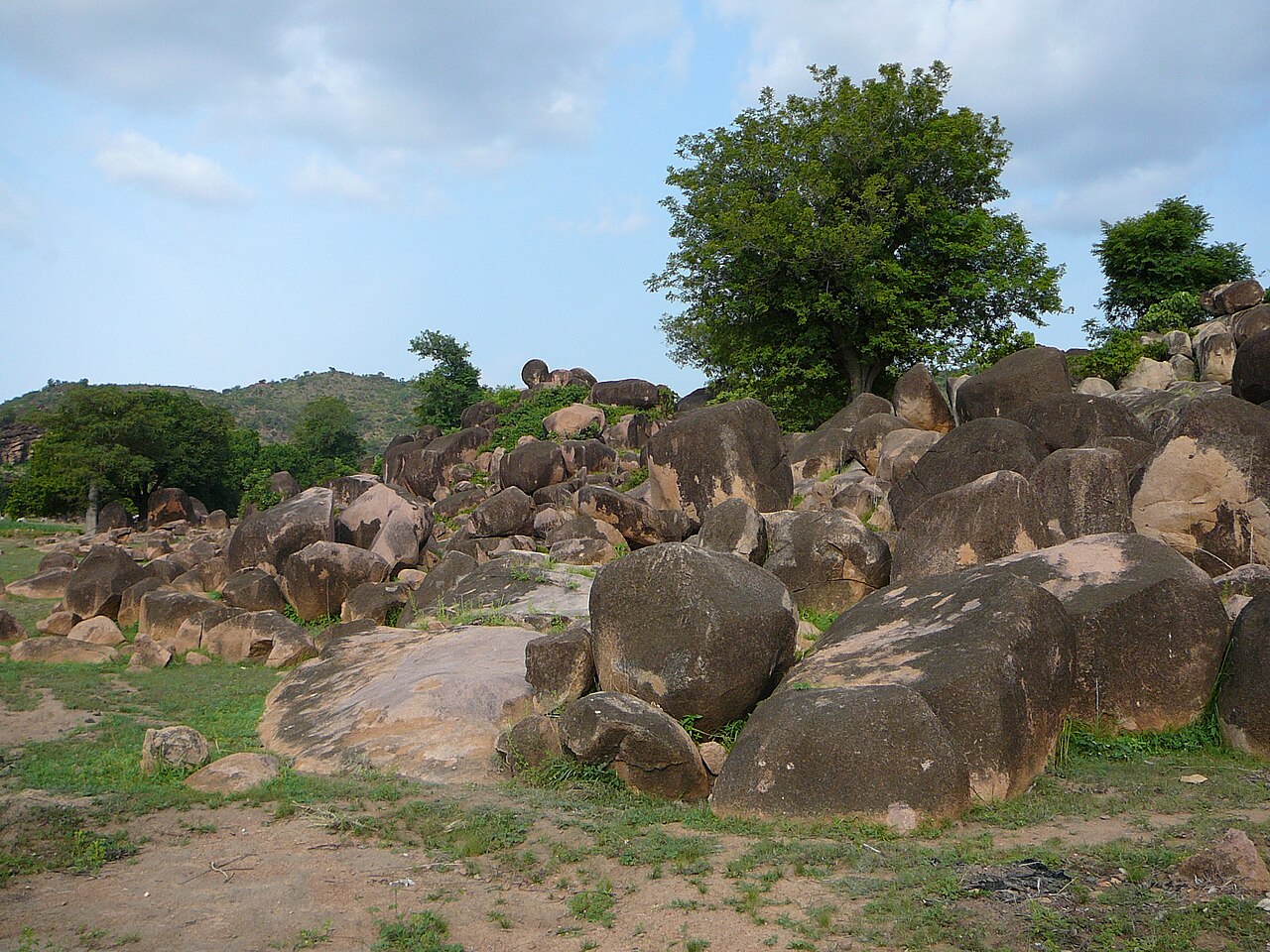
The land is mostly gentle slopes broken by rocky outcrops, uplands and the steep edges of the Gambaga Scarp. It forms part of the Sudanian Savanna, where hardy trees such as baobab, acacia and shea grow thinly. The climate is hot and semi-arid. A single rainy season runs from May to October but is highly unreliable, and the long, harsh dry season from November to April leaves the region among the most exposed in Ghana to swings in the weather.
Efforts to improve rural livelihoods have run into problems. In 2026, an investigation by The Fourth Estate looked at a World Bank-funded fish farming project in two of the region's communities. It found that structural and planning failures had left the facilities unusable for local farmers, raising wider questions about local governance and whether farm projects there can last.
For all its small size, the region carries great weight in Ghana's cultural and historical story. Visitors are drawn to the Tongo Hills, Bongo Rocks and Tono Dam, and to historic sites including the mud-built church at Navrongo, the Pikworo slave camp, the Naa Gbewa Shrine at Pusiga and the Kulungungu site linked to a bomb attack on Dr Kwame Nkrumah.
RelatedGSS survey puts number of food-insecure Ghanaians at 2.69 million in Q3 2026
Source: Ghana news - Top local news headlines and ghana web news in
Background: Wikipedia: Upper East Region
Photo: Wikimedia Commons