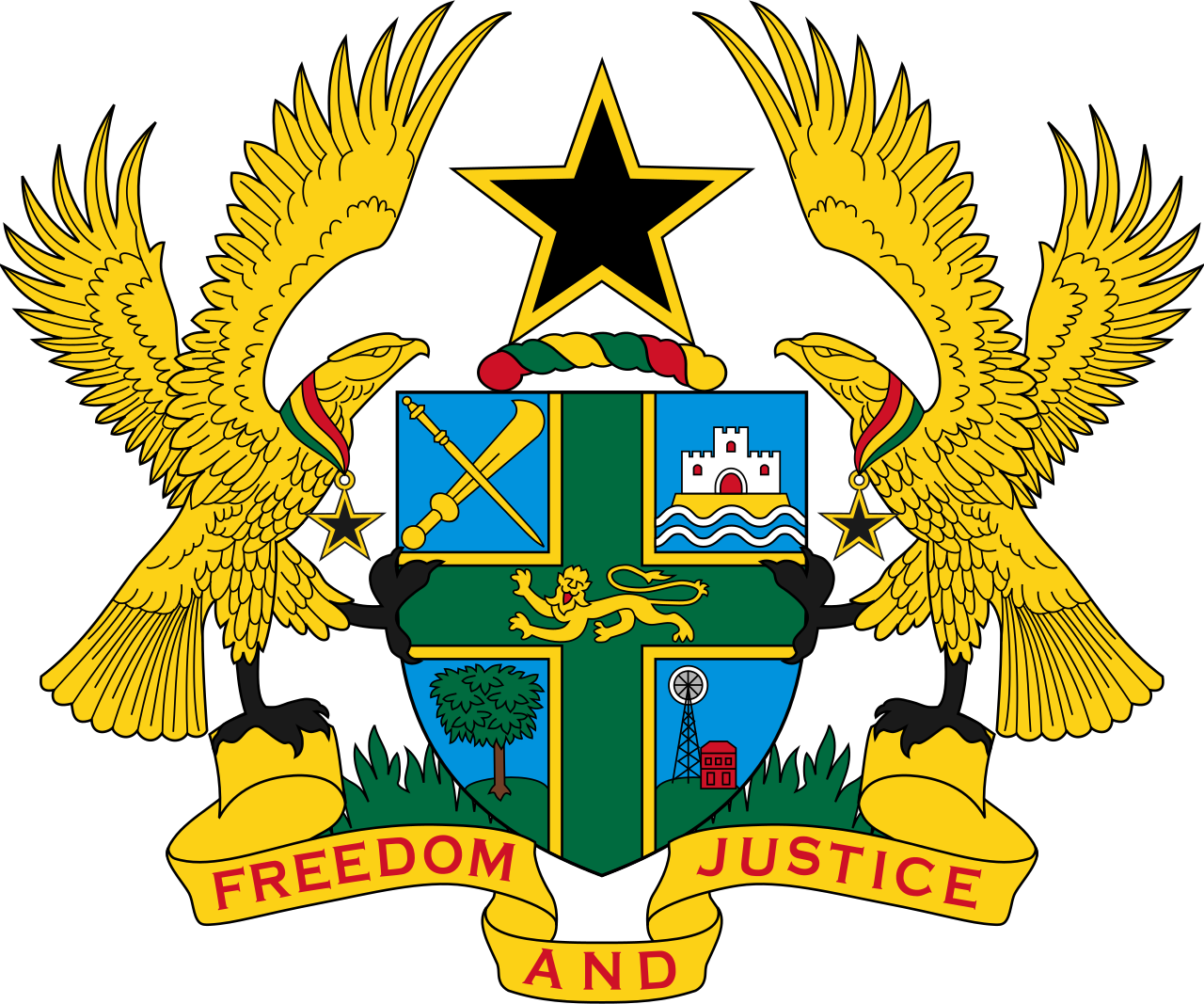
The Government of Ghana: how the Fourth Republic took shape
The Government of Ghana is in the news after the Ghana Broadcasting Corporation reported that it has paid GH¢12.89 billion to bondholders i
The Government of Ghana: how the Fourth Republic t
The Government of Ghana is in the news after the Ghana Broadcasting Corporation reported that it has paid GH¢12.89 billion to bondholders in the first round of a voluntary buyback of Domestic Debt Exchange Programme bonds due in February 2027.
The current system rests on the 1992 constitution, which spreads authority across a president, a parliament, a cabinet, a council of state and an independent judiciary. Those who govern are chosen by universal suffrage. This arrangement, known as the Fourth Republic, began in January 1993, when military rule ended following presidential and parliamentary polls held late in 1992.
The road there was uneven. Ghana started out as a parliamentary democracy, and military and civilian administrations then took turns in power. The Convention People's Party of Kwame Nkrumah governed from independence in 1957 until 1966, having won elections in 1956, 1960 and 1965. Jerry John Rawlings' Provisional National Defence Council held power from 1981 to 1992, and parties were only legalised again in mid-1992 after a gap of ten years.
More than 20 parties are now registered, but two dominate. The National Democratic Congress grew out of Rawlings' council and won both presidential and parliamentary contests in 1992, 1996, 2008 and 2012. The New Patriotic Party, formed in 1992 and tracing its roots to the United Gold Coast Convention, won both in 2000, 2004 and 2016.
The 2020 vote produced an unusual result. The NPP kept the presidency, but the two big parties tied in parliament, with an independent taking the remaining seat, making the NPP the Fourth Republic's first minority government. In 2024 the NDC returned comfortably to power in both branches, and John Mahama, president from 2012 to 2017, became the first to win a second term that was not consecutive with his first.
Abroad, Ghana has backed nonalignment since independence and helped found the Non-Aligned Movement. It is an active member of the United Nations and the African Union, and Ghanaians such as former UN Secretary-General Kofi Annan and International Criminal Court judge Akua Kuenyehia have held prominent international posts.
RelatedGhana pays GH¢12.89 billion to DDEP bondholders in first buyback round
Source: Ghana Broadcasting Corporation
Background: Wikipedia: Government of Ghana
Photo: Wikimedia Commons