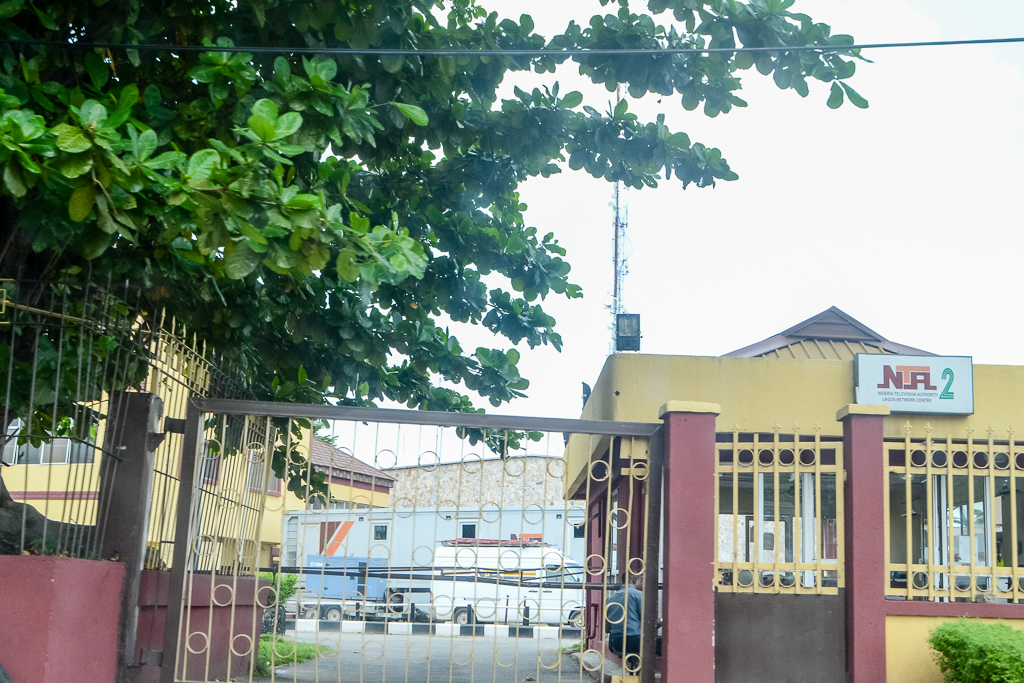
Nigerian Television Authority: how the state broadcaster came to dominate Nigerian TV
The Nigerian Television Authority is in the news after Premium Times Nigeria reported on Leo Edochie's account of how his father, the late N
Nigerian Television Authority: how the state broad
The Nigerian Television Authority is in the news after Premium Times Nigeria reported on Leo Edochie's account of how his father, the late Nollywood actor Pete Edochie, spent six years battling prostate cancer.
The NTA is owned by the Nigerian government but also operates partly on a commercial basis. It runs the biggest television network in the country, with stations spread across several regions. Many Nigerians regard it as the government's authentic voice.
Its roots go back to the late 1950s. Nigeria's first television station, the Western Nigerian Government Broadcasting Corporation, went on air in Ibadan on 31 October 1959. It was the first broadcast station in tropical Africa. Olapade Obisesan, a lawyer who trained in Britain, chaired it, and Vincent Maduka, a former engineer, served as general manager.
Other broadcasters followed. In 1962 Radio Kaduna Television began serving the north from Kaduna and later added stations in Zaria and Kano. That same year the federally owned Nigerian Broadcasting Corporation began broadcasting from Lagos. MidWest TV arrived in 1972. In 1974 came the Benue-Plateau Television Corporation in Jos, which became the first station in Africa to offer regular colour broadcasts, with test transmissions beginning on 1 October 1975.
Military authorities took over the regional stations in 1976. The following year the NTA was founded, and by May 1977 the state broadcasters had been merged under the name Nigerian Television, owned by the new authority. Obisesan and Maduka stayed on as chairman and general manager. The network began with a monopoly on national television, and by 1979 it reached about a fifth of the population.
That monopoly did not last. Public interest in programming shaped by the government declined, and in the 1990s the NTA lost its exclusive hold on Nigerian television. It nonetheless remains the largest network in the country.
RelatedPete Edochie's son speaks about father's six-year fight with prostate cancer
Source: Premium Times Nigeria
Background: Wikipedia: Nigerian Television Authority
Photo: Wikimedia Commons