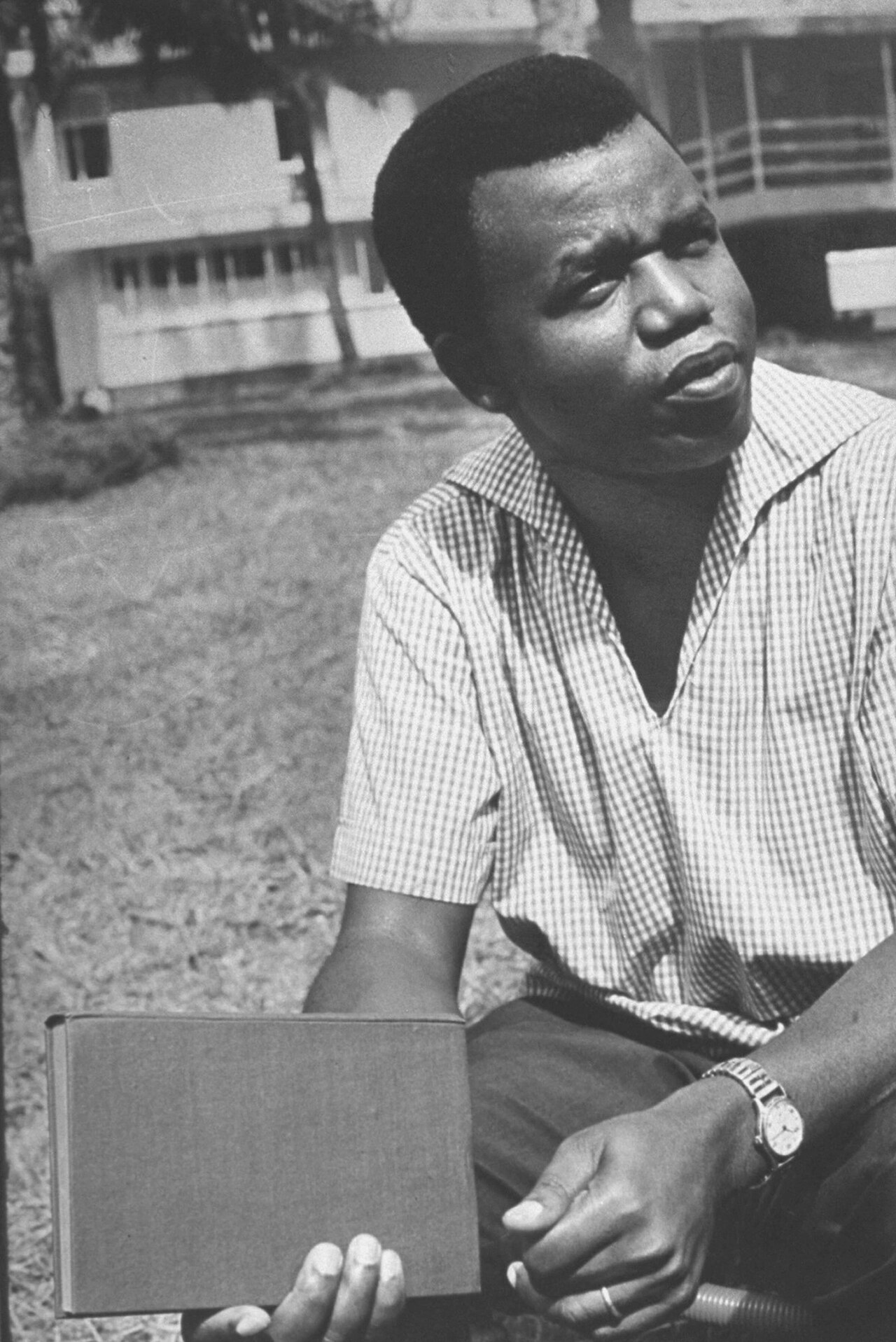
Chinua Achebe: the Nigerian author of Things Fall Apart and his legacy
Premium Times Nigeria has reported on the late Nollywood actor Pete Edochie, whose eldest son Leo described his father's six-year struggle w
Chinua Achebe: the Nigerian author of Things Fall
Premium Times Nigeria has reported on the late Nollywood actor Pete Edochie, whose eldest son Leo described his father's six-year struggle with prostate cancer. For readers looking for context on the Nigerian cultural figures behind such stories, this is a profile of Chinua Achebe, the novelist, poet and critic widely seen as central to modern African literature.
Achebe was born Albert Chinụalụmọgụ Achebe in Ogidi, in colonial Nigeria, on 16 November 1930, and died on 21 March 2013. As a child he absorbed both Igbo tradition and colonial Christianity. A strong student, he went on to the institution now known as the University of Ibadan, where he grew sharply critical of the way Western writers portrayed Africa.
After university he moved to Lagos and joined the Nigerian Broadcasting Service. His debut novel, Things Fall Apart, appeared in 1958 and brought him international notice. It is regarded as his greatest work and remains the African novel most often read, translated and studied. With No Longer at Ease (1960) and Arrow of God (1964) it forms what is called the African Trilogy. A Man of the People (1966) and Anthills of the Savannah (1987) followed later.
Working with the publisher Heinemann, Achebe helped launch its African Writers Series, which boosted writers such as Ngũgĩ wa Thiong'o and Flora Nwapa. He set out to move African fiction beyond a colonial viewpoint, blending Igbo traditions, Christian influences and the tension between Western and African values. He chose to write in English and defended that choice as a way to reach a wide readership.
In 1975 his lecture on racism in Joseph Conrad's Heart of Darkness, later published in The Massachusetts Review, became a landmark in postcolonial debate. He called Conrad a thoroughgoing racist. Although he is often described as the father of modern African literature, he firmly rejected that label.
During the Nigerian Civil War, Achebe backed Biafran independence, served as an ambassador for the movement and appealed abroad for aid. After the war ended in 1970 he entered party politics but grew disillusioned with corruption and elitism, and he later spent several years living in the United States.
RelatedPete Edochie's son speaks about father's six-year fight with prostate cancer
Source: Premium Times Nigeria
Background: Wikipedia: Chinua Achebe
Photo: Wikimedia Commons