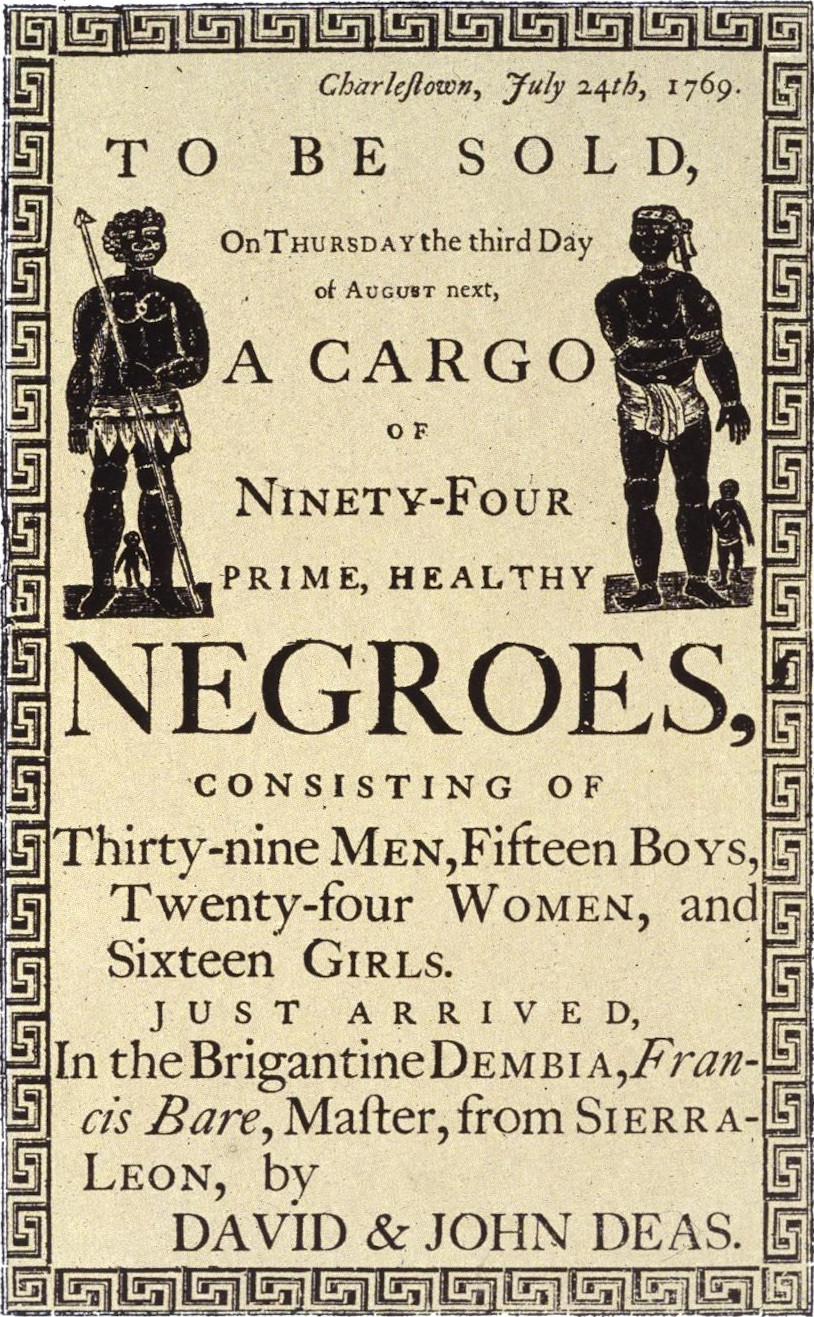
The Atlantic slave trade: how the transatlantic traffic in Africans took shape
The transatlantic slave trade is back in the headlines after The Presidency, Republic of Ghana reported that Barbados Prime Minister Mia Mot
The Atlantic slave trade: how the transatlantic tr
The transatlantic slave trade is back in the headlines after The Presidency, Republic of Ghana reported that Barbados Prime Minister Mia Mottley has called for sustained international efforts on reparatory justice for its injustices.
The trade carried enslaved Africans across the ocean to the Americas aboard slave ships based in both Europe and the New World. Europeans first set up a slave trade along the African coast in the 15th century. Shipments to the Americas started in the 16th century and continued deep into the 19th. Especially in the early years, some voyages followed the triangular trade route, including the crossing known as the Middle Passage.
Most of those taken came from West and Central Africa. Unlike in some other slave trades, the buyers mostly purchased captives from African slave merchants rather than seizing people themselves. European raiding did happen but was rare and discouraged. The Portuguese held newly bought captives in barracoons at their African bases until the next ship came. Northern European traders ran some forts, first built for the gold trade, but more often used their ships as holding bases. Their vessels therefore stayed longer on the coast, and the earliest captives bought were confined on board for longer.
The demand behind the trade came from the Americas, which were thinly populated. The indigenous population was falling because of European diseases, and few Europeans were yet willing to emigrate. Colonisers turned to a model already used around 1450 on the sugar plantations of Madeira and the Canary Islands, which relied on enslaved people from sub-Saharan Africa.
Once in the Americas, enslaved Africans were put to work on plantations growing sugar, coffee, tobacco, cocoa and cotton, in rice fields and in gold and silver mines. Others worked in construction, cut timber for shipbuilding, or served as skilled workers and domestic servants.
In the English colonies the first Africans were classed as indentured servants, with a legal position close to that of contract workers from Britain and Ireland. By the mid-17th century that arrangement had hardened into a racial caste system of chattel slavery that extended to the children of the enslaved.
RelatedBarbados Prime Minister Mia Mottley calls for global action on reparatory justice
Source: The Presidency Republic of Ghana
Background: Wikipedia: Atlantic slave trade
Photo: Wikimedia Commons