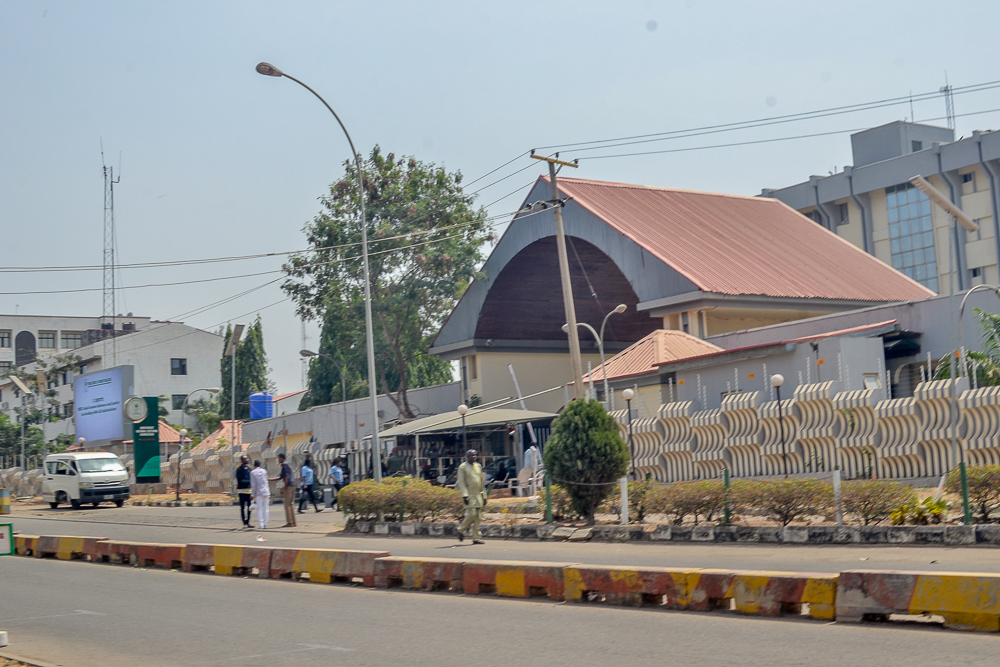
Independent National Electoral Commission: Nigeria's election body and its long history
Nigeria's Independent National Electoral Commission, known as INEC, is in the background of Premium Times Nigeria's report that Ademola Adel
Independent National Electoral Commission: Nigeria
Nigeria's Independent National Electoral Commission, known as INEC, is in the background of Premium Times Nigeria's report that Ademola Adeleke has been sworn in for a second term as governor of Osun State after the 15 August governorship election. Contests for state governor are among the polls the commission is constitutionally charged with running.
INEC is the federal body that organises and oversees elections across Nigeria. Its constitutional remit covers the races for president and vice-president, for governors and their deputies, and for seats in the National Assembly and the state houses of assembly. Beyond running polls, it registers political parties, keeps watch over them, and maintains the national voters' register. Joash Amupitan has led the commission since he was sworn in as chairman on 23 October 2025.
The current commission dates from 1998, but Nigeria's experience with national election bodies goes back further. Before 1958, elections were governed and run under regional laws. That year the Electoral Commission of Nigeria was set up to handle the 1959 federal elections, with an expatriate, Ronald Edward Wraith, at its head alongside four Nigerian members drawn from the regions and the federal capital of Lagos.
After independence, a Federal Electoral Commission created in 1960 ran the federal and regional elections of 1964 and 1965. Its path was not smooth. Its chief electoral officer, Kofo Abayomi, stepped down before the 1964 vote, and officials from the NCNC and the Action Group questioned whether a fair contest was possible. Chief Eyo Esua chaired the commission from 1964 until 1966, when it was dissolved after that year's military coup.
Later military governments built new bodies. General Olusegun Obasanjo's regime formed the Federal Electoral Commission, FEDECO, in 1978, and it ran the 1979 polls that opened the Second Republic under Shehu Shagari, followed by the 1983 general elections. In December 1995, General Sani Abacha's government created the National Electoral Commission of Nigeria, but the officials chosen in its elections never took office after Abacha died suddenly in June 1998.
General Abdulsalam Abubakar's administration then scrapped that body and set up INEC in its place. The new commission conducted the transition elections that launched Nigeria's Fourth Republic on 29 May 1999, and it has remained the country's election authority ever since.
RelatedAdemola Adeleke sworn in for second term as Osun State governor
Source: Premium Times Nigeria
Background: Wikipedia: Independent National Electoral Commission (Nigeria)
Photo: Wikimedia Commons