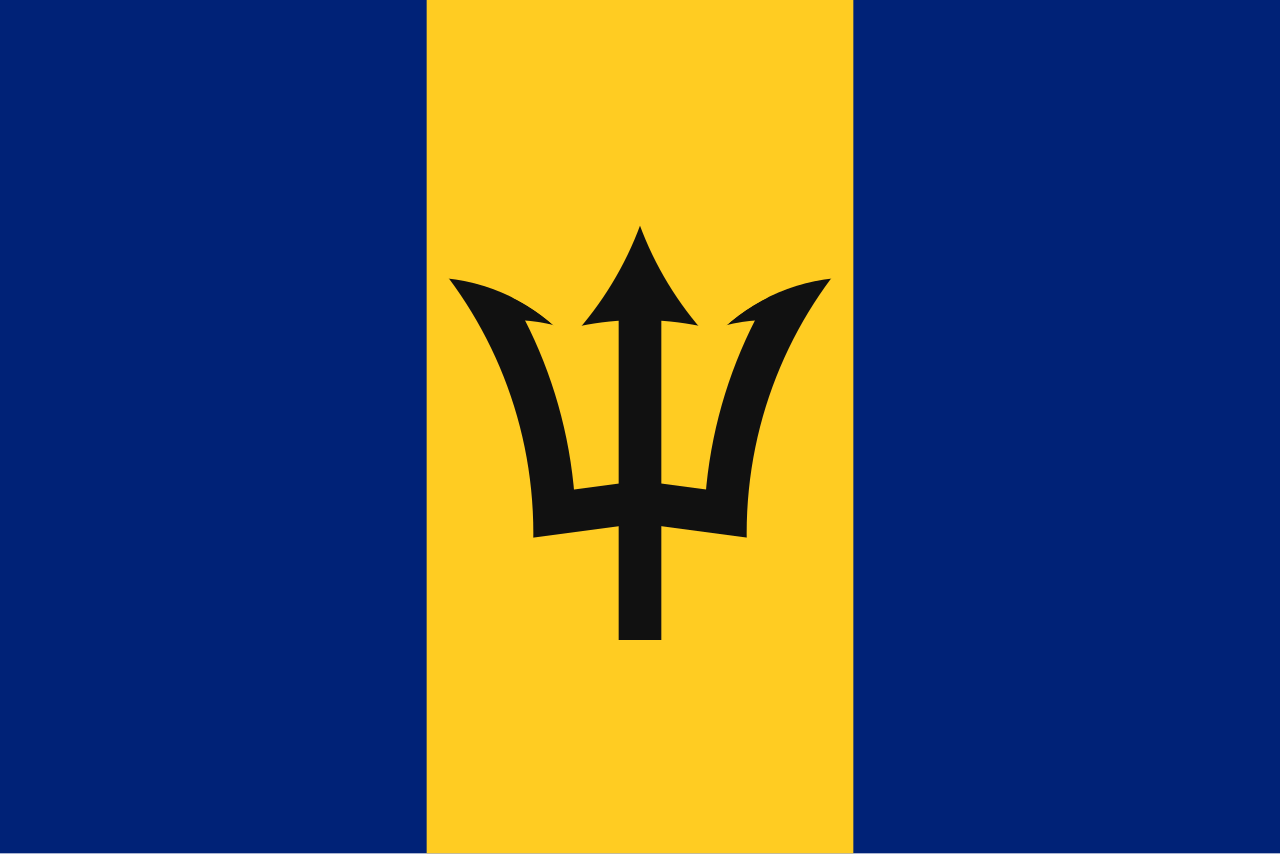
Barbados: from sugar colony to Commonwealth republic
Barbados is back in the headlines after the Ghana News Agency reported that President John Dramani Mahama unveiled a statue honouring King C
Barbados: from sugar colony to Commonwealth republ
Barbados is back in the headlines after the Ghana News Agency reported that President John Dramani Mahama unveiled a statue honouring King Cuffie, a historic Barbadian freedom fighter, during a state visit to the island.
The country is an island in the Atlantic Ocean, forming part of the Lesser Antilles in the West Indies. It sits further south and further east than any other island in the Caribbean, on the line where the South American and Caribbean tectonic plates meet. Bridgetown is both its capital and its biggest city, and the island today counts among the region's top tourist destinations.
Long before Europeans arrived, the island was home to Indigenous peoples, with the Kalinago living there from the 13th century and calling it Ichirouganaim. Spanish navigators claimed it for the Crown of Castile in the late 15th century, and it appeared on a Spanish map in 1511. Portugal held a claim between 1532 and 1536 before abandoning the island in 1620, leaving behind little more than wild boars. By then most of the Indigenous inhabitants had been enslaved, killed or wiped out by disease. The name itself is thought to mean "the bearded ones", though whether that refers to a local fig tree, the Kalinago or sea foam on the reefs remains uncertain.
English control began when men from the ship Olive Blossom landed on 14 May 1625 and claimed the island for King James I, with permanent settlers following in 1627. The colony was built on plantations worked first by Irish indentured servants and then by enslaved Africans, until slavery was largely ended across the British Empire by the Slavery Abolition Act 1833. Their descendants now make up more than 90 per cent of the population, which helps explain the resonance of a figure like King Cuffie.
Barbados gained independence on 30 November 1966 as a Commonwealth realm, with Elizabeth II as its queen. Exactly 55 years later, on 30 November 2021, it became a republic within the Commonwealth, replacing the monarchy with a ceremonial president.
RelatedMahama unveils statue of Barbadian freedom fighter King Cuffie
Source: Ghana News Agency
Background: Wikipedia: Barbados
Photo: Wikimedia Commons