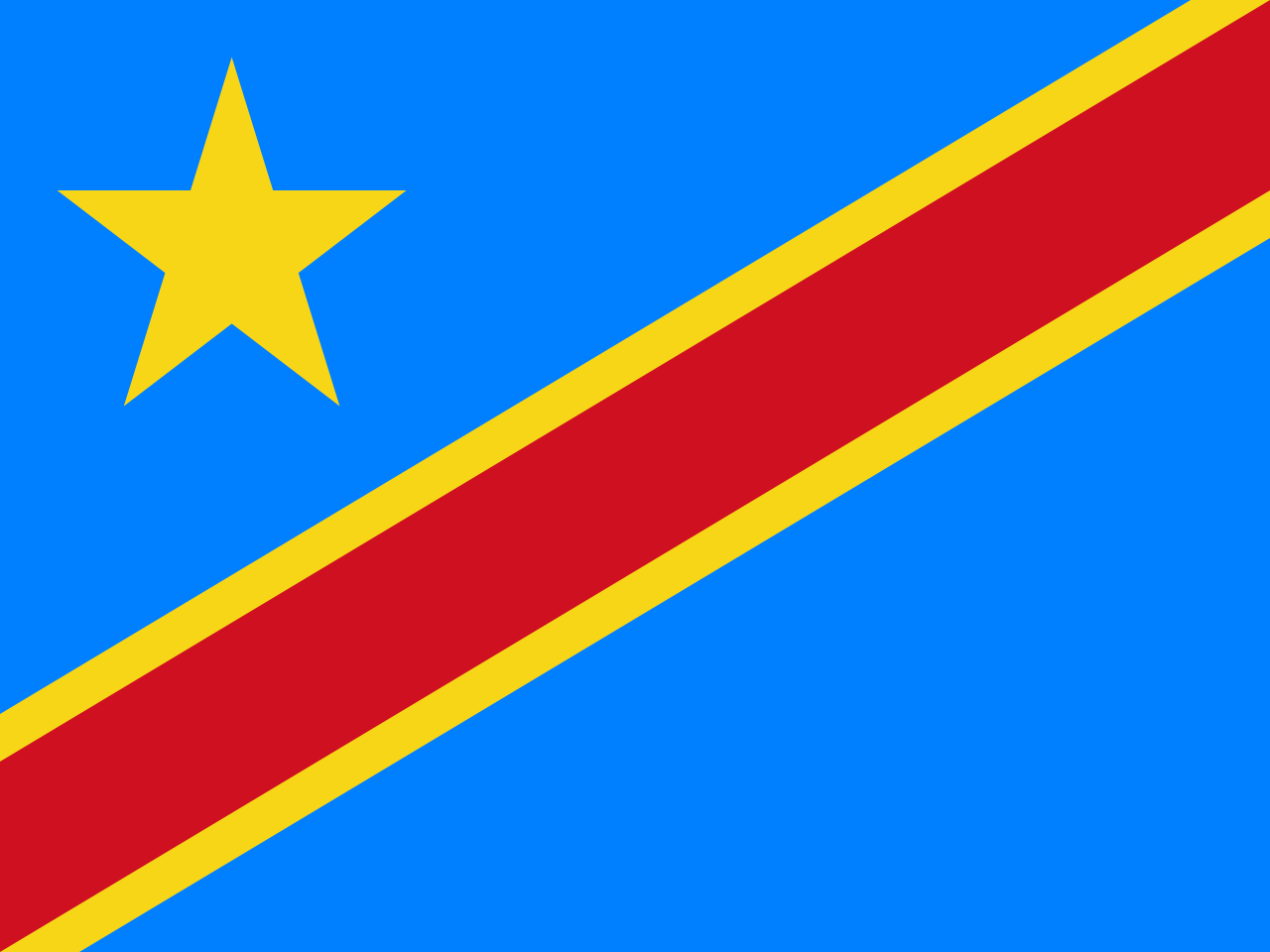
Democratic Republic of the Congo: a vast nation shaped by kingdoms, colonial rule and war
The Democratic Republic of the Congo is back in the headlines after Citizen Digital reported that Uganda plans to pull its troops out of the
Democratic Republic of the Congo: a vast nation sh
The Democratic Republic of the Congo is back in the headlines after Citizen Digital reported that Uganda plans to pull its troops out of the country amid a diplomatic row, days after Kinshasa summoned the head of Uganda's embassy over comments made by the Ugandan army chief.
Uganda is one of several eastern neighbours of the DRC, alongside Rwanda, Burundi and Tanzania, the last reached across Lake Tanganyika. The country also borders the Republic of the Congo, Angola's Cabinda exclave, the Central African Republic, South Sudan and Zambia, and has a stretch of South Atlantic coast. Only one African country covers more land, and globally it ranks eleventh by area. Most of it sits in the Congo Basin, where thick rainforest and many rivers dominate, while the east and southeast are mountainous.
Roughly 116 million people live there, making it the fourth most populous nation in Africa and the largest French-speaking country anywhere. French is the official language and the one most widely used, though more than 200 indigenous languages exist, with Lingala the most common. Kinshasa serves as capital, biggest city and economic hub.
Foragers lived in the region some 90,000 years ago, and Bantu migrants settled it two to three millennia ago. The Kingdom of Kongo held the lands near the Congo River's mouth from the 14th to the 19th century, while the Mwene Muji, Luba and Lunda empires controlled the centre and east. European colonisation broke these states apart. Belgium's King Leopold II took the territory in 1885 as the Congo Free State, then gave it up in 1908 under international pressure over mass atrocities, after which it became a Belgian colony.
Independence came in 1960, followed swiftly by secessionist movements, the killing of Prime Minister Patrice Lumumba and, in 1965, Mobutu Sese Seko's seizure of power. Mobutu ran a personalist dictatorship and renamed the country Zaire in 1971.
Refugee flows from Rwanda's civil war helped trigger the First Congo War of 1996 to 1997, which toppled Mobutu and brought a change of name. The Second Congo War followed from 1998 to 2003, killing an estimated several million people and claiming the life of President Laurent-Désiré Kabila. It ended under Joseph Kabila, who brought relative stability, though the human rights situation remained poor.
RelatedUganda to pull troops out of DR Congo amid diplomatic row, Citizen Digital reports
Source: Citizen Digital
Background: Wikipedia: Democratic Republic of the Congo
Photo: Wikimedia Commons