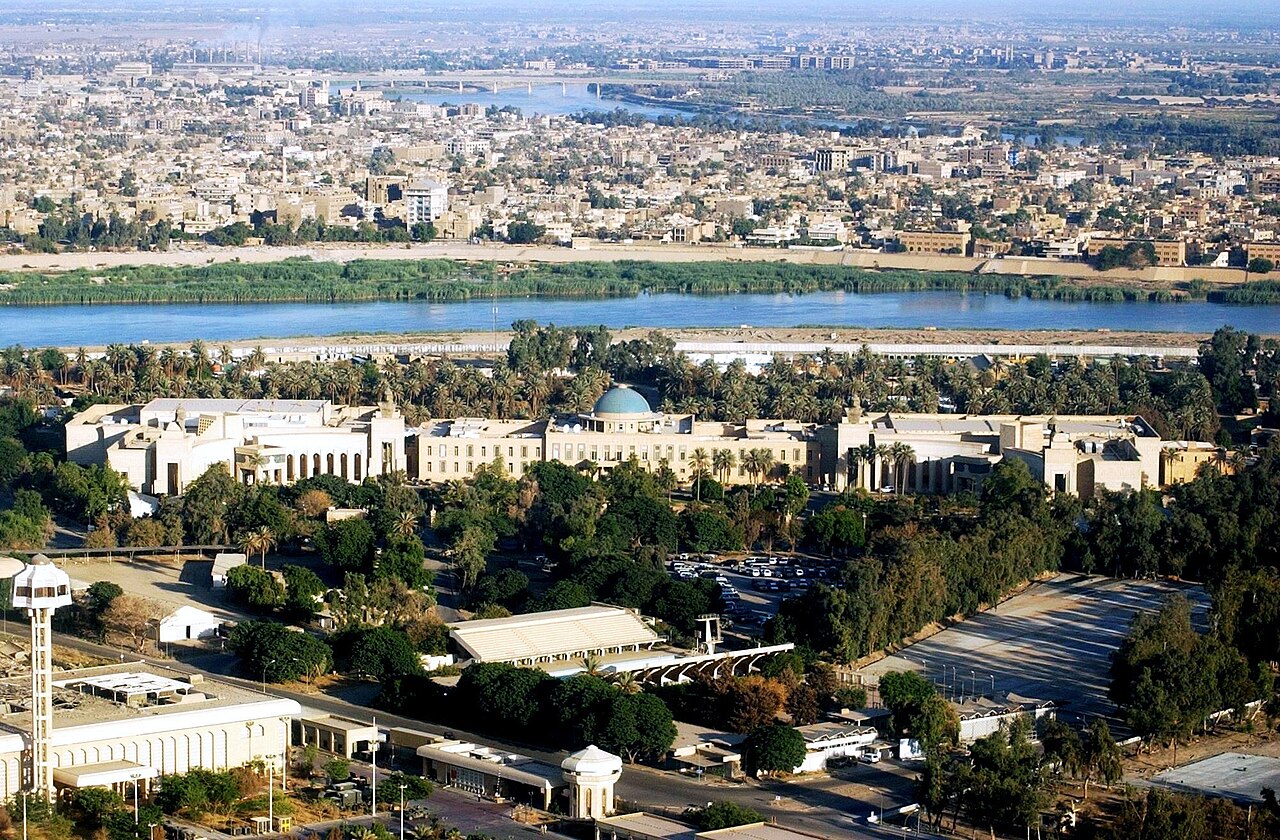
Baghdad: Iraq's capital, from Abbasid centre of learning to post-war rebuilding
Baghdad is in the news after Citizen Digital reported that Iraqi leader Zaidi, who has promised to fight corruption, is cracking down on the
Baghdad: Iraq's capital, from Abbasid centre
Baghdad is in the news after Citizen Digital reported that Iraqi leader Zaidi, who has promised to fight corruption, is cracking down on the illegal oil trade. That effort includes challenging an Iran-backed armed group after smuggling was uncovered in its stronghold near the capital.
Today Baghdad is Iraq's capital, its seat of government and its largest city. It sits on the Tigris in the centre of the country. An estimated 8 million people live there, about 22 percent of Iraq's population, which places it among the biggest cities in the Middle East and the Arab world. It accounts for around 40 percent of Iraq's economy and is a leading financial and commercial hub for the region.
The city was founded by al-Mansur in 762 AD, on ground settled since at least the Neo-Babylonian period, and it became the capital of the Abbasid Caliphate. It grew into an intellectual and cultural centre, home to institutions such as the House of Wisdom and to people of many ethnic and religious backgrounds. That mix earned it fame as the "Center of Learning". During the Islamic Golden Age its population passed one million, making it one of the world's largest cities and a rival to Chang'an.
The Mongol Empire largely destroyed Baghdad in 1258. Plagues and repeated changes of ruling empire kept it in decline for centuries. Under the Ottomans it administered Iraq, including the provinces of Basra, Mosul and Shahrizor. It became the capital of Mandatory Iraq during the First World War. After Iraq was recognised as an independent monarchy in 1932, the city slowly recovered its standing as a major centre of Arab culture, and it enjoyed relative prosperity under Ba'ath Party rule.
The Iraq War, which began with the 2003 invasion, badly damaged the city's infrastructure and cost it much of its cultural heritage. Between 2013 and 2017, during the insurgency and renewed fighting, Baghdad suffered one of the world's highest rates of terrorist attacks. Those attacks have become rare since the Islamic State group lost its territory in Iraq in 2017, and many reconstruction projects have since aimed to bring stability.
The city still reflects its varied past. Alongside historic mosques such as Masjid al-Kadhimayn and Buratha Mosque, it has churches, mandis and synagogues.
RelatedTrump backs Iraqi leader Zaidi's crackdown on oil smuggling
Source: Citizen Digital
Background: Wikipedia: Baghdad
Photo: Wikimedia Commons