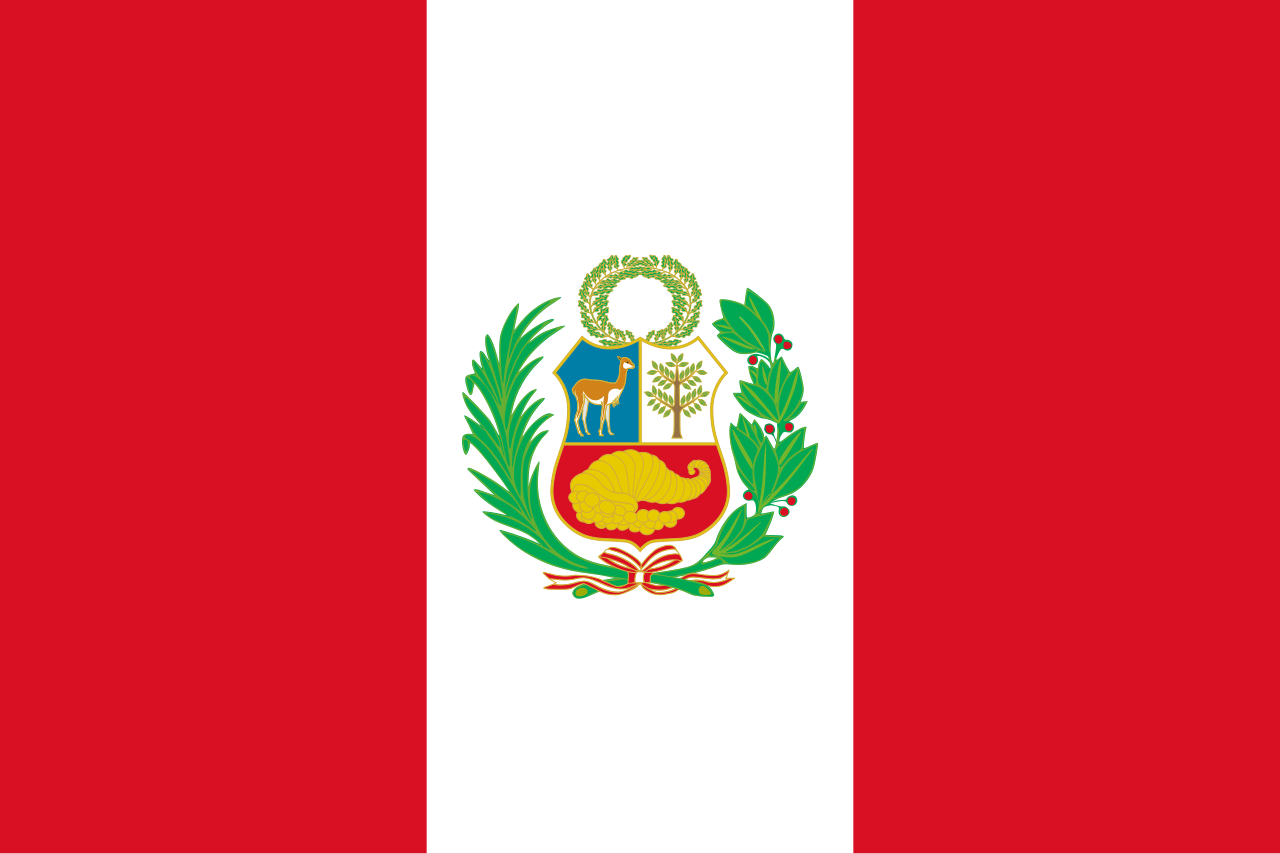
Peruvian Armed Forces: three services with roots in the independence war
Peru's military is in the headlines after Punch Newspapers reported that eight people died and the pilot was seriously injured when an air f
Peruvian Armed Forces: three services with roots i
Peru's military is in the headlines after Punch Newspapers reported that eight people died and the pilot was seriously injured when an air force helicopter came down in the coca-growing VRAEM valley, citing the defence ministry.
The Peruvian Armed Forces are made up of three independent branches: the Army, the Navy and the Air Force. Their main task is to defend the nation's independence, sovereignty and territorial integrity against any threat. They also have a secondary role, helping with economic and social development and taking part in civil defence work. All three answer to the Ministry of Defence.
The National Police of Peru is often counted alongside them, although it has its own structure, a purely civilian mission and reports to the Ministry of Interior. More than two decades of anti-terrorist work have given the force a strongly military character. With land, sea and air capabilities and roughly 140,000 personnel, it can resemble an unofficial fourth service.
The military's roots lie in the War of Independence. The Army dates officially from 18 August 1821, when the government of General José de San Martín created the Peruvian Guard Legion. San Martín went on to found the Navy on 8 October of the same year.
The young republic's first foreign war was against Gran Colombia, a state covering what are now Colombia, Ecuador, Panama and Venezuela. In early 1828 Simón Bolívar sent Colombian troops into Bolivia to win influence there, and Peru campaigned in Bolivia and forced them out. Bolívar declared war on Peru on 3 June 1828 and put Antonio José de Sucre, a former president of Bolivia, in command of the Colombian Army.
Peru's navy quickly blockaded the Gran Colombian coast and won the first clash at Punta Malpelo. It then destroyed the enemy's Pacific fleet at the Battle of Cruces and kept Guayaquil under blockade until the war ended. On land the fighting was more even, though an outnumbered Peruvian Army captured the city of Cuenca.
RelatedEight dead after Peruvian air force helicopter crashes in VRAEM valley
Source: Punch Newspapers - Latest News
Background: Wikipedia: Peruvian Armed Forces
Photo: Wikimedia Commons